GRAS (Generally Recognized As Safe)
Warning!
Raw Broccoli Can In Many Causes Case Body Odor!
Boil/Rost Asparagus Broccoli Instead – 1 Vegetable Of The Same Per Person!
The Body Cannot Absorb That Much, The Rest Comes Out The Other Way!
Sulfur Smells Like Rotten Eggs And Won’t Go Away Easily In The Air!
If you have cancer or are at risk at getting cancer take ONLY the anti cancer superantioxidants – switch superantioxidants – See Start Page!
Don’t Overdose!
Do not take if you are breastfeeding or pregnant!
Consult the doctor first. Medicines are usually better at alleviating, but super antioxidants, in turn, give longer life, which medicines can also give, of course. They complement each other, and both are good in the prescribed dose.
Author: Christoffer Mikael Lyckholm Skeneby
A Varied Diet Is Not Enough For Longevity! SuperAntioxidants FTW!
The Whole Website Is Not A Commercial! It’s 7 Years Of Research – Trial & Error!
Don’t Overdose!
See Start Tab/Page For Cancer Safe SuperAntioxidants!
Continue Below If You Do Not Have Or Are Not At Risk Of Getting Cancer!
www.ChristofferLyckholm.Com
https://www.sulforaphane.science
1: Extends Lifespan
2: Increasing Glutathione as an Nrf2 Activator
3: Autophagy
4: Regulate blood sugar
5: Metabolic syndrome
6: Atherosclerosis
7: Fights inflammation – Factor in heart, body, cancer, diabetes and other illnesses
8: Exercise Performance and Recovery
9: Osteoarthritis
10: Cancer
11: Liver
12: Immunity
13: Memory
14: Autism
Super antioxidant Sulforaphane Supplements
- Raw Powder Broccoli Sprouts
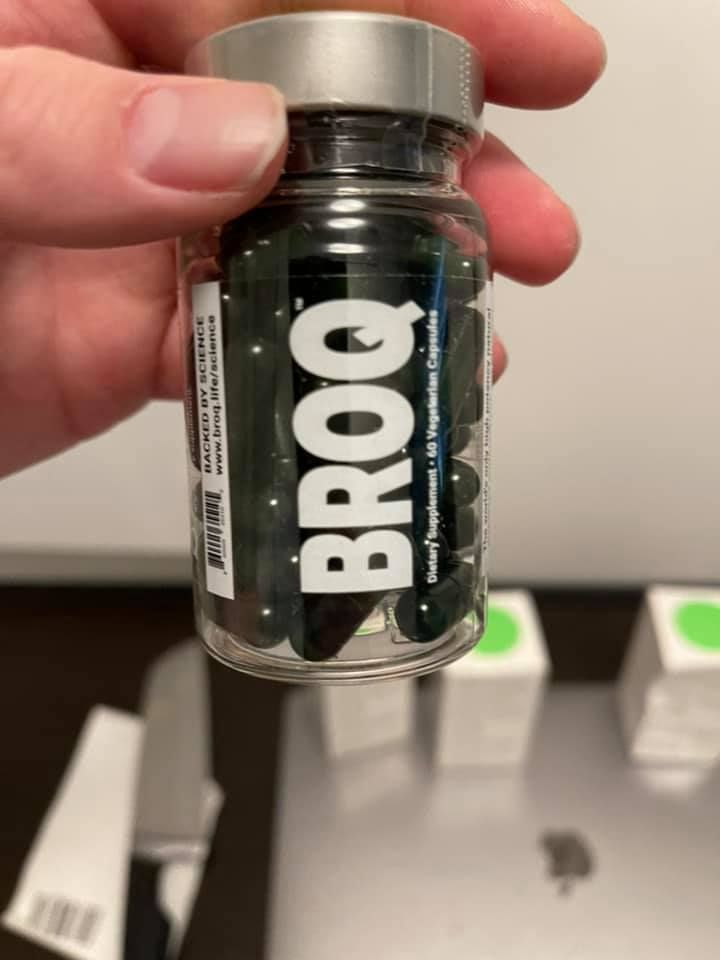
- BROQ
- Prostaphane
- Raw Broccoli (Eat Maximum 25 Gram Minimum 3 Days Per Week Cooked Or Fried, This To Get The Sulfur Levels Down To Human Levels And What Body Can Absorb) – I Don’t Eat Broccoli Because Of The Body Odor!
100 Gram Contains 0.5-144 mg Of Sulforaphane! BROQ And Prostaphane Contains 10 mg Per Capsule – 10 mg Can The Body Absorb Without Body Odor!
Sulforaphane is a strong super antioxidant, it doubles the bodys own master antioxidant glutathione. Moreover it has anti-inflammatory properties. It also relaxes the blood vessels, prevents blood clots and lowers blood sugar. It is good for cardiovascular health and diabetes and more. See the points below.
Sulforaphane is a sulfur-rich super antioxidant found in cruciferous vegetables such as broccoli and broccoli sprouts. It’s activated only when vegetables are chopped or chewed. This happens when glucoraphanin come in contact with myrosinase
1: Extends Lifespan
SFN makes it so there is less chance of dying from diseases over a given period of time. Thus, I believe that SFN is good to take to increase one’s chances of living longer. Take this two studies into account.
“SFN preserves proteome homeostasis (proteostasis) by activating the proteasome, which has been shown to lead to increased cellular lifespan and prevent neurodegeneration.” https://pubmed.ncbi.nlm.nih.gov/30941620/
“Aging-US: Sulforaphane promotes C. elegans longevity and healthspan”
“The results in this Aging-US research output, indicate that sulforaphane prolongs the lifespan and healthspan of C. elegans through insulin/IGF-1 signaling.”
“They found that sulforaphane significantly extends the lifespan of C. elegans and delays age-related phenotype changes.”
” Whereas the wild-type adult worms lived 16 days on average, the survival of the worms was significantly increased by 18.2%, 13.31% and 15.46% by exposure to the 100 μM, 200 μM and 400 μM concentrations, respectively,”
https://www.aging-us.com/article/202512/text
2: Increasing Glutathione as a Nrf2 Activator
SFN activates NRF2, which means that, among other things, you get more glutathione in the body. Glutathione is the body’s master antioxidant and the most powerful antioxidant available. This is why the SFN is so powerful. SFN has therapeutic effects on most diseases. Furthermore, NR2 regulates over 200 genes that have to do with aging. SFN increases your chance to live longer if you take it every day.
“At molecular level, sulforaphane modulates cellular homeostasis via the activation of the transcription factor Nrf2. Although data from clinical studies are limited, sulforaphane remains a good candidate in the adjuvant therapy…” https://pubmed.ncbi.nlm.nih.gov/28001083/
3: Autophagy
Autophagy is when the cell clean out its old components and build new ones. This can be explained by the cells eating themselves. This is good for the lifespan of the cells, they die more slowly, which in turn can make you get fewer diseases when you get older and in it’s turn make you live longer.
“Exposure of PC-3 and LNCaP cells to sulforaphane resulted in several specific features characteristic of autophagy” […] “the sulforaphane-induced autophagy was associated with up-regulation, processing, and recruitment to autophagosomes of microtubule-associated protein 1 light chain 3 (LC3),” https://pubmed.ncbi.nlm.nih.gov/16740722/
“Evidence of autophagy was observed in response to SFN as determined by increased microtubule-associated protein 1A/1B-light chain 3 (LC3)-II levels and detection of autophagic vesicles. This response was disrupted by established autophagy inhibitors chloroquine and 3-MA. ” https://pubmed.ncbi.nlm.nih.gov/28083623/
https://pubmed.ncbi.nlm.nih.gov/30458452/
4: Regulate blood sugar
Firstly, Diabetes is defined as ”A fasting blood sugar level of 99 mg/dL or lower is normal, 100 to 125 mg/dL indicates you have prediabetes, and 126 mg/dL or higher indicates you have diabetes.” www.cdc.gov/diabetes/basics/getting-tested.html
Secondly, SFN helps lower the fasting blood sugar level. It can also act as a therapeutic target on the disease. See the following two studies.
“Moreover, sulforaphane reversed the disease signature in the livers from diabetic animals and attenuated exaggerated glucose production and glucose intolerance by a magnitude similar to that of metformin. Finally, sulforaphane, provided as concentrated broccoli sprout extract, reduced fasting blood glucose and glycated hemoglobin (HbA1c) in obese patients with dysregulated type 2 diabetes.” https://pubmed.ncbi.nlm.nih.gov/28615356/
“Sulforaphane given as concentrated BSE did improve fasting blood glucose levels and decrease HbA1c levels in obese patients with T2D. The magnitude of reduction of HbA1c was greater for participants with higher HbA1c levels at the beginning of the study (−0.2 mmol/mol per 1 mmol/mol higher HbA1c at start; P=0.004).” https://www.naturalmedicinejournal.com/journal/2017-09/sulforaphane-glucose-control-diabetics
” SFN improved glucose tolerance and reduced exaggerated glucose production. In livers of these mice, SFN increased MAM protein content, restored impaired VDAC1-IP3R1 interactions and reduced ER stress markers.” https://pubmed.ncbi.nlm.nih.gov/28923347/
5: Metabolic syndrome – Obesity and Weight gain
Overweight is when you weigh so much that it can be unhealthy. Heavy excess weight is called obesity. Obesity increases the risk of diseases such as high blood pressure, type 2 diabetes and strain injuries in the joints. SFN helps with this.
“In this young, healthy population, consumption of cruciferous and apiaceous” vegetables reduced circulating IL-6;” https://pubmed.ncbi.nlm.nih.gov/25165394/
“Glucoraphanin supplementation attenuated weight gain, decreased hepatic steatosis, and improved glucose tolerance and insulin sensitivity in HFD-fed wild-type mice” https://pubmed.ncbi.nlm.nih.gov/28209760/
“SFN treatment (0.5 mg/kg/day, s.c.) for 23 days in HFHS-fed mice improved the responsiveness to intraperitoneally-injected leptin by promoting significant decreases in cumulative food intake and body weight gain” https://pubmed.ncbi.nlm.nih.gov/30063917/
6: Atherosclerosis
SFN lowers bad cholesterol and raises good cholesterol. This means that this supervitamin should be used by healthcare instead of stains medication.
“Administration of SFN to HCD-fed rabbits showed a beneficial lowering effect on serum lipid levels (TGs, TC and LDL-C). Moreover, SFN significantly increased HDL-C to above-normal level, resulting in a decrease of atherogenic LDL-C/HDL-C index. SFN has been shown to inhibit endothelial lipase expression, which reduces HDL-C level during vascular inflammation.49 Moreover, SFN could also induce hepatic paraoxonase-1, an HDL-C-associated enzyme that protects LDL-C from oxidation.” https://www.ncbi.nlm.nih.gov/pmc/articles/PMC4935417/
7: Fights inflammation – Factor in heart, body, cancer, diabetes and other illnesses
It is known for its antioxidant, antimicrobial and antinflammatory properties.
”The differences in concentrations of inflammatory biomarkers between extreme quintiles of cruciferous vegetable intake were 12.66% for TNF-α (Ptrend=0.01), 18.18% for IL-1β (Ptrend=0.02), and 24.68% for IL-6 (Ptrend=0.02).” https://pubmed.ncbi.nlm.nih.gov/24630682/
”After 4 weeks, in the BSP treatment groups there was a significant decrease in serum hs-CRP concentration (−20.5% and −16.4%)” https://www.sciencedirect.com/science/article/abs/pii/S1756464612000953
IL-6 concentrations were significantly lower on day 14 of the 2xC and 1xC+A diets than with the basal diet [-19% (95% CI: -30%, -0.1%) and -20% (95% CI: -31%, -0.7%), respectively]. https://pubmed.ncbi.nlm.nih.gov/25165394/
8: Exercise Performance and Recovery
Sulforaphane helps with the recovery of muscles after exercise.
”In this study, 4 wk of sulforaphane intake decreased plasma levels of creatine kinase, especially creatine kinase levels from 30 min to 24 h and baseline to 24 h. Moreover, the change in interleukin-6 levels significantly decreased from baseline to 30 min on prolonged intake of sulforaphane.” https://www.sciencedirect.com/science/article/abs/pii/S0899900721001283
9: Osteoarthritis
Osteoarthritis is a disease that affects the body’s joints. You may experience pain and stiffness. With SFN you can make the joints stay healthier for a longer time.
”Sulforaphane (SFN), a dietary isothiocyanate obtained from cruciferous vegetables, has been reported to exert an anti-apoptotic effect by activating sirtuin 1 (SIRT1).” […] ”Furthermore, SFN ameliorated cartilage degradation in the OA mouse model.” https://www.ncbi.nlm.nih.gov/pmc/articles/PMC8258469/
”Results from the laboratory study show that sulforaphane slows down the destruction of cartilage in joints associated with painful and often debilitating osteoarthritis.” https://www.sciencedaily.com/releases/2013/08/130827204039.htm
10: Cancer
SFN has been shown to reduce the ability of cancerous cells to multiply. I recommend all to take SFN preventively.
“Intakes of yellow-orange and cruciferous vegetables were also inversely related to prostate cancer, especially for advanced cases, among whom the highest quintile OR for yellow-orange vegetables = 0.67 (P for trend = 0.01) and the highest quintile OR for cruciferous vegetables ” https://pubmed.ncbi.nlm.nih.gov/10952096/
“Thirteen included studies showed vegetables consumption to be a relevant factor in breast cancer risk” https://pubmed.ncbi.nlm.nih.gov/25784976/
“At molecular level, sulforaphane modulates cellular homeostasis via the activation of the transcription factor Nrf2. Although data from clinical studies are limited, sulforaphane remains a good candidate in the adjuvant therapy based on natural molecules against several types of cancer.” https://pubmed.ncbi.nlm.nih.gov/28001083/
11: Liver
If you take SFN daily, you reduce the risk of liver problems. These studies below showcase how the effect on the liver was greatly reduced in acute poisoning.
”Dietary supplementation with BS extract containing SF precursor GR for 2 mo significantly decreased serum levels of liver function markers, ALT [median (interquartile range), before: 54.0 (34.5-79.0) vs after supplementation: 48.5 (33.3-65.3) IU/L, P < 0.05] and γ-GTP [before: 51.5 (40.8-91.3) vs after: 50.0 (37.8-85.3) IU/L, P < 0.05],”
https://www.ncbi.nlm.nih.gov/pmc/articles/PMC4649129/
12: Immunity
SFN seems to improve the immune system and according to the study below, it can be used with advantage in autoimmune diseases.
”This article provides a revision about the relationship between sulforaphane and immune response in different diseases. Special attention is given to clinical trials related with immune system disorders.” […] ”Sulforaphane exerts a pleiotropic effect on immunological response, and the final effect depends on the cell type. In lymphocyte T-cells, SFN induces ROS production, GSH depletion, and repression of inflammatory cytokines, resulting in suppression of immune and inflammatory responses. This may help in treatment on autoimmune/inflammatory diseases symptoms.”
https://www.ncbi.nlm.nih.gov/pmc/articles/PMC7867070/
13: Memory
SFN strengthens both short-term and long-term memory.
”Our results suggest that SFN attenuates the SCOP-induced deterioration of short-term working memory, long-term spatial memory, and avoidance memory in rats. These effects were associated with the hippocampal induction of BDNF and CREB expression and the enhancement of hippocampal synaptic activity. SFN therefore warrants further exploration as a possible agent for the prevention and treatment of AD or learning and memory-deficit disorders.”
https://pubmed.ncbi.nlm.nih.gov/34033847/
14: Autism
Autism conditions are disabilities that affect one’s way of thinking, being and communicating with other people. How much life is affected by it can vary greatly. SFN relieves and strengthens social interaction.
”Sulforaphane (SFN: 1-isothiocyanato-4-methylsulfinylbutane), a potent antioxidant, is one CAM intervention that has been studied in ASD and other comorbidities with positive effects”.
”Over the past six years SFN has been clinically studied and found to have a significant positive impact on individuals with ASD. This systematic review presented findings about the use of SFN as a safe and effective supplement in treating ASD and the impact it had on cognitive and behavioral assessments. ”
 SuperAntioxidants